Nutrition at training camps: The most common mistake in Mallorca, Girona or Gran Canaria
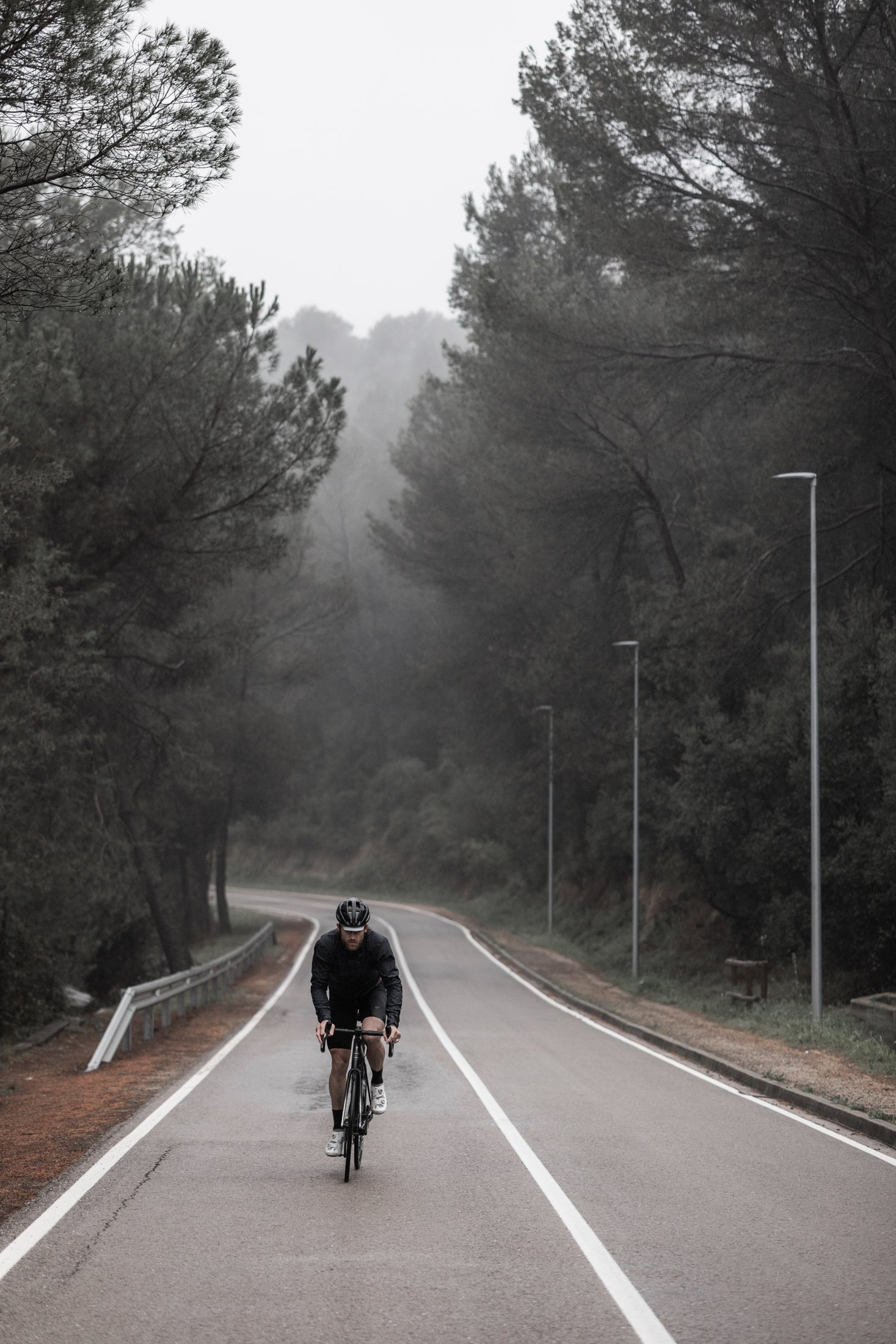
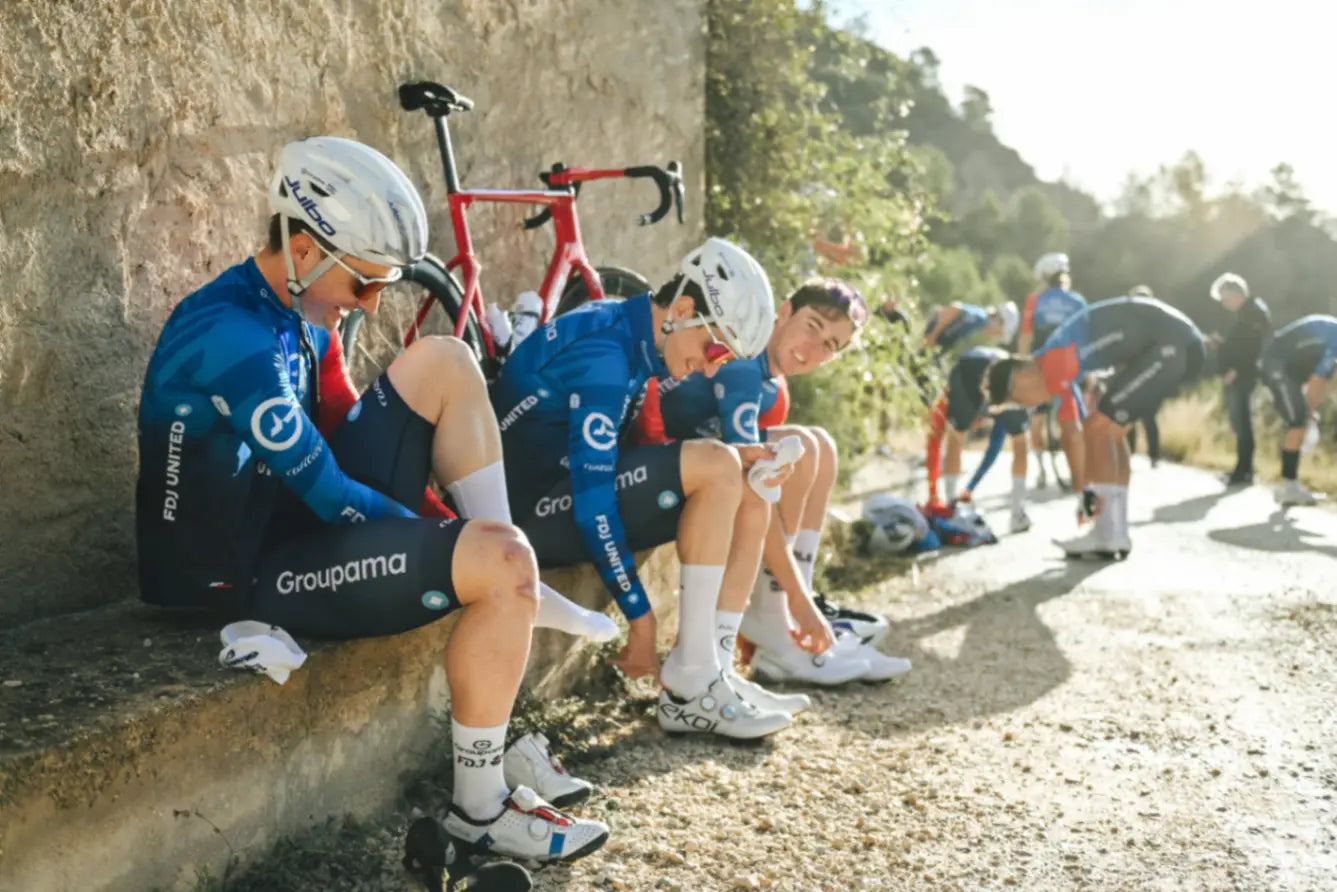
You've been looking forward to it for weeks: the training camp. Whether on the legendary road cycling routes in Mallorca, around Girona, or in perfect conditions on Gran Canaria. Finally, a break from everyday life, finally several days of continuous training, and a significant increase in training volume.
The first few days feel great, sometimes even amazing. You ride longer than at home, accumulate more elevation gain, and the pace is automatically faster in a group. Nobody wants to drop back, breaks are short, and the next session is already planned. Everything feels like progress.
However, after a few days, many athletes notice that their energy levels slowly decrease.
Suddenly your legs feel heavier. You lack energy, even though you're "training so much." In the evening, you're completely ravenous, eat large portions, sleep restlessly, and still don't wake up refreshed the next morning. By the end of the week, you feel drained and often even heavier than at the beginning. In the worst-case scenario, you travel home sick or are sidelined immediately after returning.
Nutrition consultants at betteryou hear this kind of feedback time and time again. In many cases, the cause isn't the training itself, but rather an inadequately adjusted diet.
More training means significantly higher energy requirements.
In a training camp, daily life differs drastically from normal training. Where at home you might only manage one or two hours of training, at camp you suddenly have three to four hours of road cycling per day on the schedule, often for several days in a row. This is especially true in classic training regions like Mallorca, Girona, or Gran Canaria. Furthermore, the group dynamic often leads to more intense training than originally planned.
Depending on the intensity and your prior exertion, your body burns around 500 kilocalories per hour of cycling, a large portion of which comes from carbohydrates. During long sessions and multiple training days, this quickly adds up to an additional energy requirement of over 1,500 kilocalories per day, and sometimes considerably more.
This is precisely where the crucial mistake occurs. This increased need is underestimated. While people usually "eat more," it's rarely structured enough to truly cover their actual calorie and carbohydrate requirements during training camp.
What happens when your body gets too little energy?
When more energy is expended than consumed over several days, the body reacts. Initially subtly, then increasingly noticeably. Performance decreases, regeneration deteriorates, and stress hormones rise. The body tries to conserve energy.
This often manifests as intense hunger pangs in the evening. The calories are then compensated for late, often in large quantities or with less-than-ideal foods. This puts a strain on digestion, impairs sleep quality, and promotes water retention. In short: regeneration suffers and the risk of illness increases.
One key insight is crucial: a training camp is not the right time to try to cut calories or reduce body fat. Under this high level of exertion, meeting the body's needs is paramount. Only when the body is adequately supplied can the training stimuli have the desired effect.
Why "simply eating more" doesn't work in training camp
Many athletes are surprised when measurements taken during nutritional counseling at betteryou show that their daily energy requirements during training camp can easily reach 3,500 to 4,500 kilocalories, sometimes even higher. This equates to five to six main meals of 600-700 kcal each per day. Without a clear structure, this is hardly achievable.
Large meals alone are usually not enough. They are often difficult to digest and come too late in the day. What is crucial is to distribute energy throughout the day and supply it where it is needed for performance.
The right nutrition strategy in training camp
A carbohydrate-rich breakfast forms the basis for long training sessions. Lunch and dinner should be balanced and contain sufficient carbohydrates, protein, and some fat.
However, the real game-changer in training camp is the energy supply during training.
During longer training sessions, the body can easily utilize 80 grams of carbohydrates per hour, and in trained athletes even up to 120 grams. This stabilizes performance, conserves glycogen stores, and reduces stress on the body. Those who skimp on carbohydrates here will pay the price later.
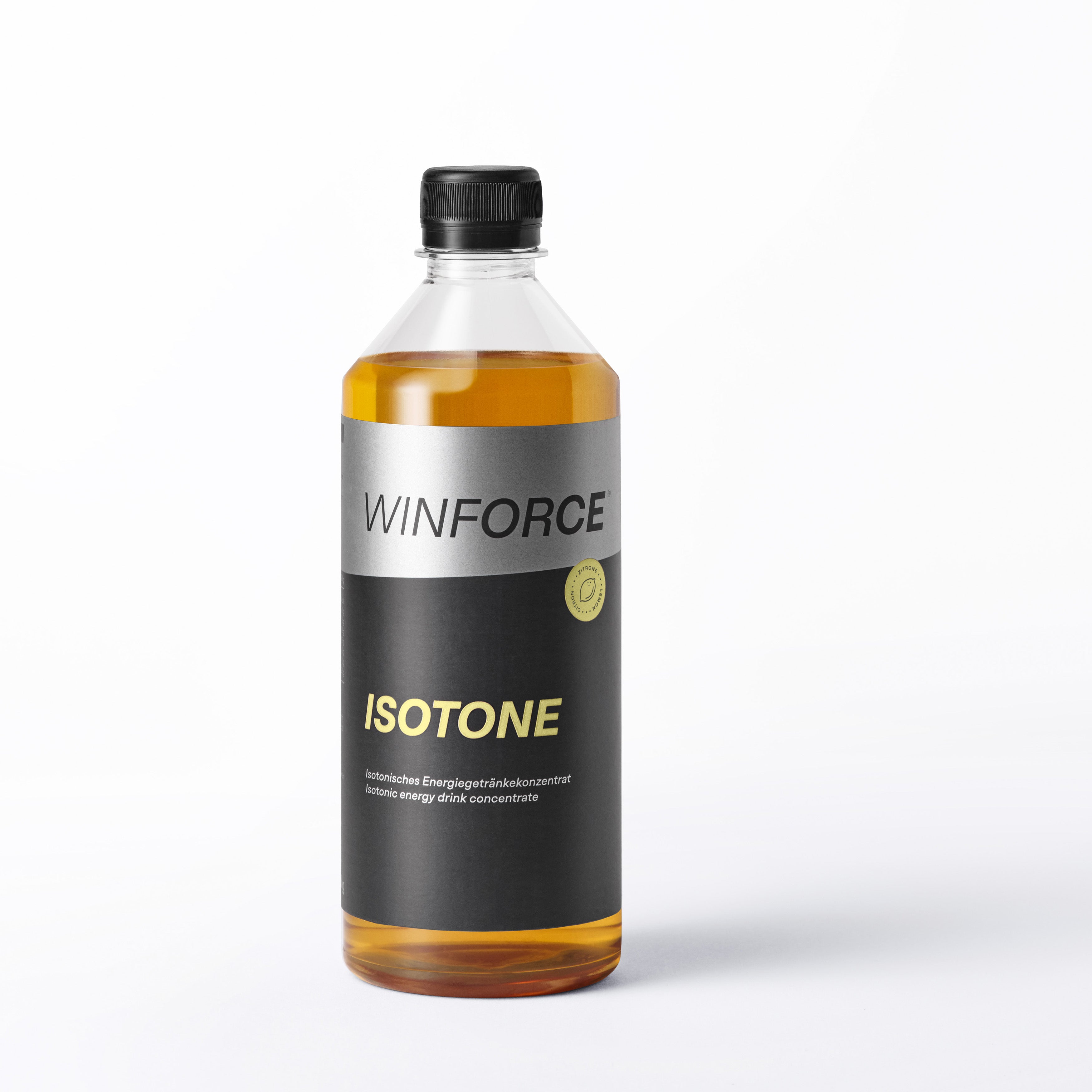
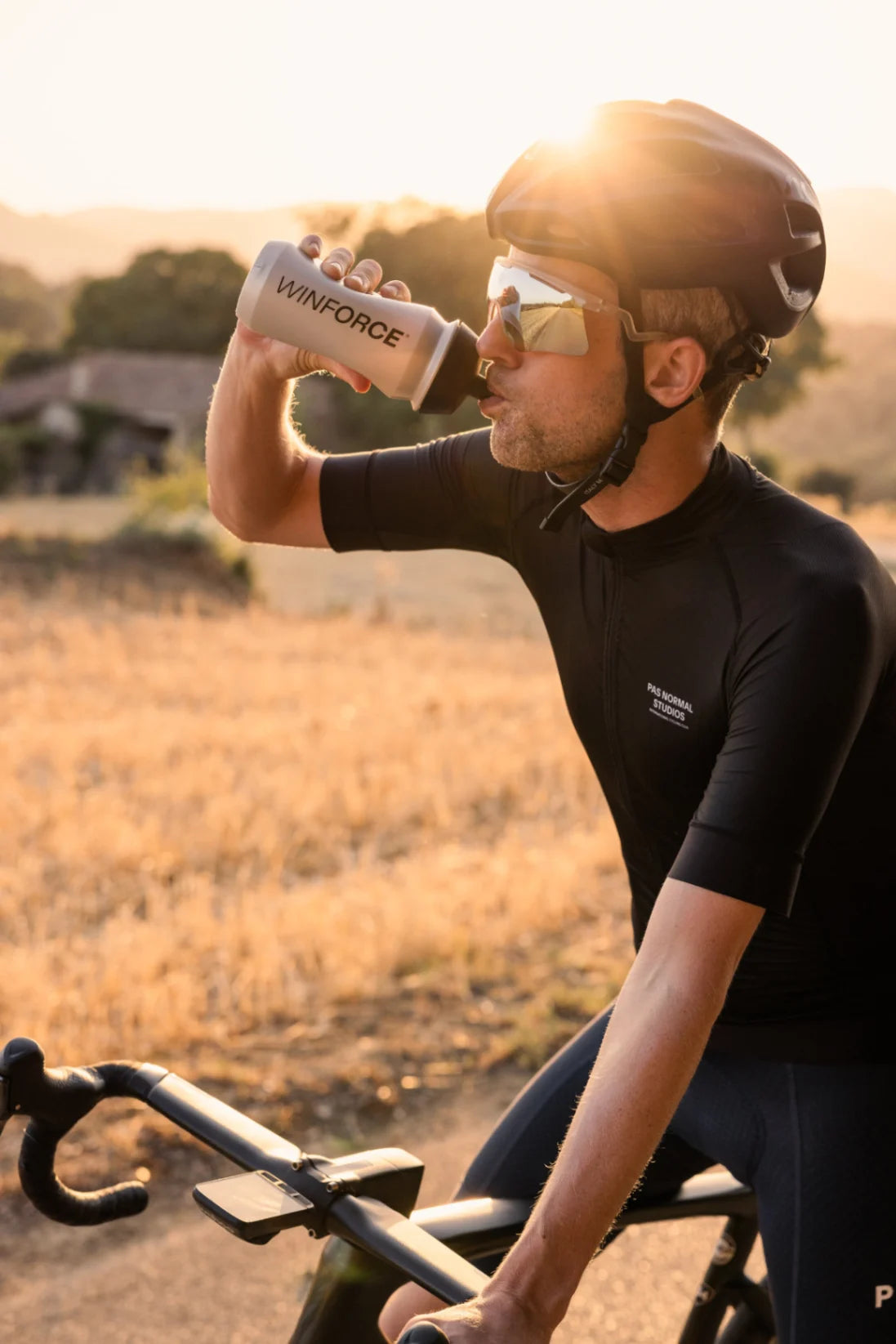
Suitable products to specifically cover this increased need include, for example, Carbo Basic Plus, CHO MAXX, Fast Energy or Ultra Energy.
Regeneration begins immediately after training.
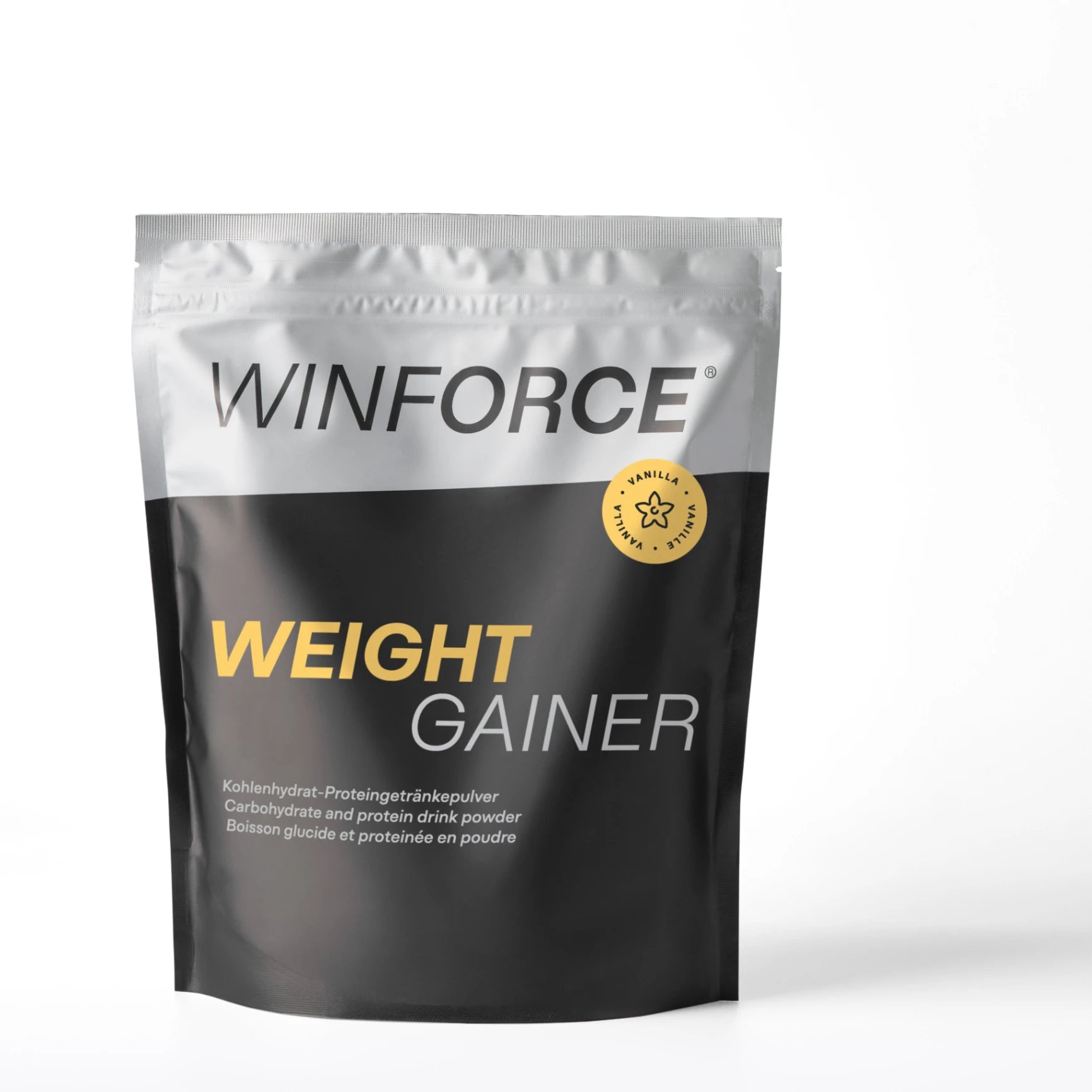
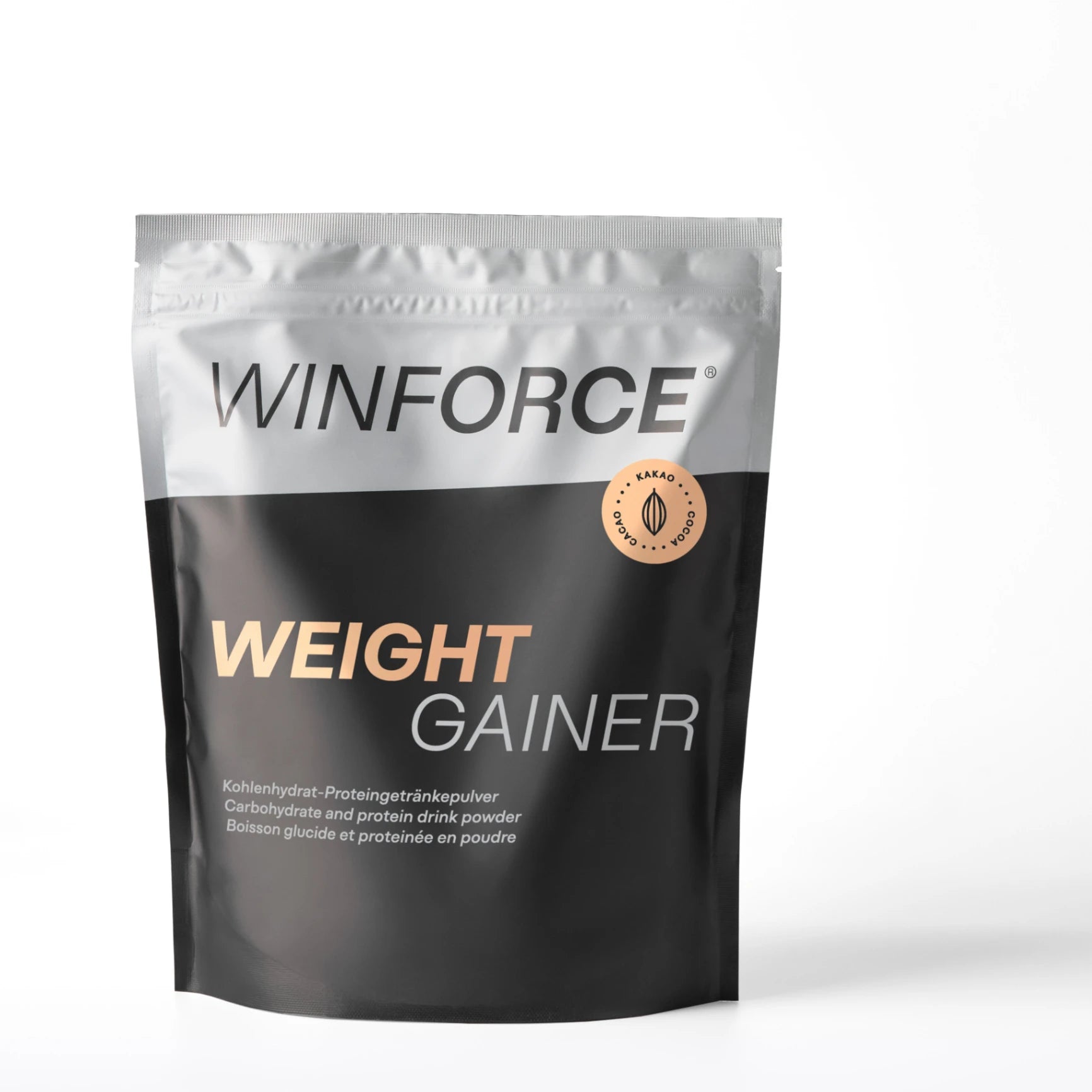
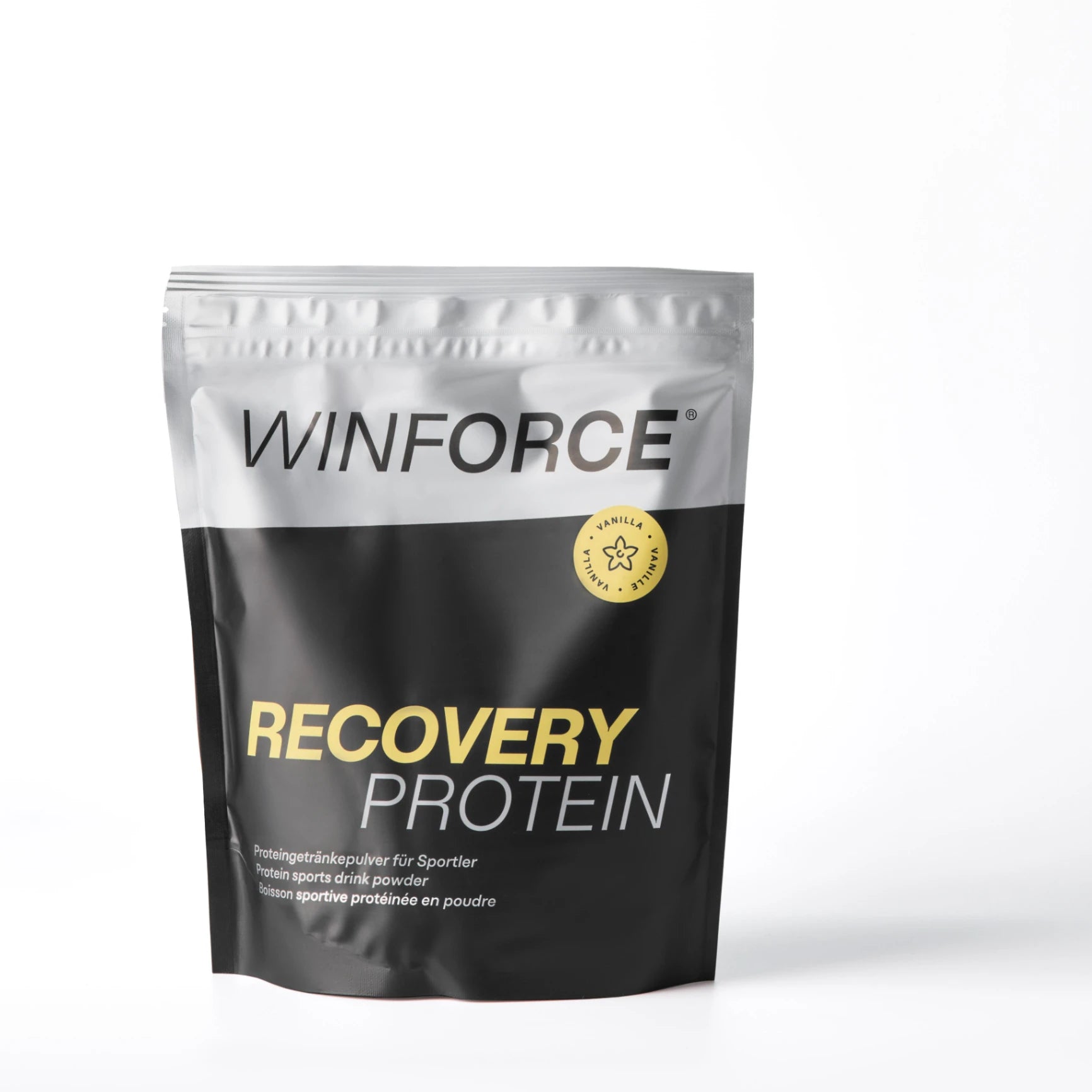
After training, the body is particularly receptive. Targeted recovery nutrition helps initiate the healing process and prevents intense hunger pangs from setting in late in the evening. A recovery protein in combination with an additional carbohydrate source, or, in cases of very high energy needs, a weight gainer, has proven effective.
A good indicator is the evening: If you regularly experience intense cravings, your energy intake during the day was too low. In this case, it's worth increasing your sports nutrition during training or planning for additional snacks.
Don't underestimate training management in training camp
Besides nutrition, training management also plays a crucial role in training camps. Many training camps fail because too much is expected in too short a time.
A high proportion of easy sessions, combined with targeted intensities and sufficient recovery, yields significantly more in the long run than daily exertion at the limit.
When your body sends clear signals, it's worth listening. An extra day of rest can ultimately be more beneficial than another hard training session.
This is what a successful training camp feels like.
When nutrition and training are well-matched, a training camp doesn't feel exhausting, but productive. Energy levels remain stable throughout the week, recovery between sessions is effective, and you return home with the feeling of having actually accomplished something.
That's precisely the point. Not simply to accumulate as many kilometers as possible, but to create stimuli that have an effect.
Would you like to know how much energy you actually burn at different intensity levels and what your optimal diet should consist of?
Then register at better-you.ch for a spiroergometry test or a consultation package.